 A-1 Paving INC
Simple Tips to Prevent Uneven Surfaces, Drainage Issues, and Costly Repairs
The most common mistakes to avoid during paver installation involve poor base prep, bad drainage planning, and rushing the layout. These errors can lead to sinking pavers, standing water, and loose edges. If you take time to plan, use the right materials, and follow each step with care, you can avoid many of these problems from the start.
Why Prevention Matters
A patio or driveway made with brick pavers should last for many years. When installed the right way, the surface stays level and strong. But small mistakes early on can cause big trouble later. Fixing sunken spots or shifting stones costs more than doing the job right the first time. Careful planning helps you save time and stress.
Early Warning Signs of Problems
If a paver project is not built correctly, problems often show up within the first year. Watch for these signs:
- Pavers that rock or feel loose under your feet
- Low spots where water pools after rain
- Gaps that grow wider between stones
- Edges that start to spread outward
These signs usually point back to mistakes made during paver installation.
Seasonal or Routine Checklist
Many issues can be avoided by following a simple checklist before and during the project:
- Excavate deep enough for your soil type and load needs.
- Compact the soil subgrade with the right equipment.
- Add a solid base layer of crushed stone and compact it in thin lifts.
- Check slope so water drains away from your home.
- Use edge restraints to hold everything in place.
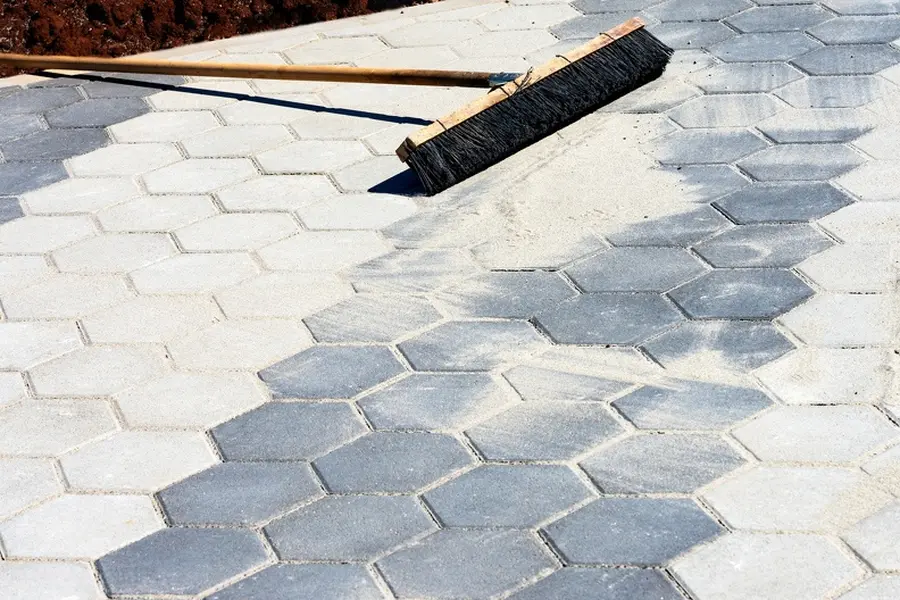
- Sweep joint sand into cracks and compact again.
Skipping even one of these steps can weaken the entire surface.
Best Practices for Long-Term Results
Start with proper depth. Many DIY projects fail because the base is too shallow. For patios, you often need at least 6 to 8 inches of compacted base material. Driveways may need more.
Next, focus on drainage. The surface should slope about a quarter inch per foot away from buildings. Without this slope, water can settle under the pavers and wash out the base.
Another best practice is using quality materials. Cheap base rock or soft sand can break down over time. Strong crushed stone locks together and forms a firm foundation.
Finally, take your time with compaction. Each layer should be compacted before adding the next. Rushing this step often leads to sinking and shifting later.
What Not to Do
Avoid these common mistakes during paver installation:
- Do not lay pavers directly on dirt.
- Do not skip edge restraints.
- Do not ignore tree roots that may grow and lift the surface.
- Do not use too much bedding sand.
- Do not leave large gaps without joint sand.
Another big mistake is failing to call before you dig. Always check for underground utility lines. Damaging a water or gas line can be dangerous and costly.
When to Schedule Professional Help
Some projects are simple, like a small garden path. Others are more complex, such as a sloped driveway or large patio with curves. If your yard has poor drainage, heavy clay soil, or steep grades, you may want expert input.
Large areas need proper grading equipment and strong compactors. Without them, it is hard to build a stable base. If you are unsure about soil depth, slope, or material choice, professional help can prevent long-term damage.
Get Reliable Results for Your Outdoor Space
If you are planning a project in Shepherdsville, KY, we can help you avoid costly errors and build a surface that lasts. Our team at A-1 Paving INC handles every step of paver installation with care, from grading to final compaction. Call (502) 205-2854 today to schedule a consultation and let us help you create a strong, beautiful outdoor space.