 A-1 Paving INC
What You Should Plan, Check, and Know Before Starting Your Project
Key factors to consider before installing asphalt pavement include your soil condition, drainage plan, traffic load, local climate, and long-term maintenance needs. If you plan ahead and prepare the site the right way, your surface will last longer and need fewer repairs. Rushing the job or skipping base work often leads to cracks, dips, and water damage within a short time.
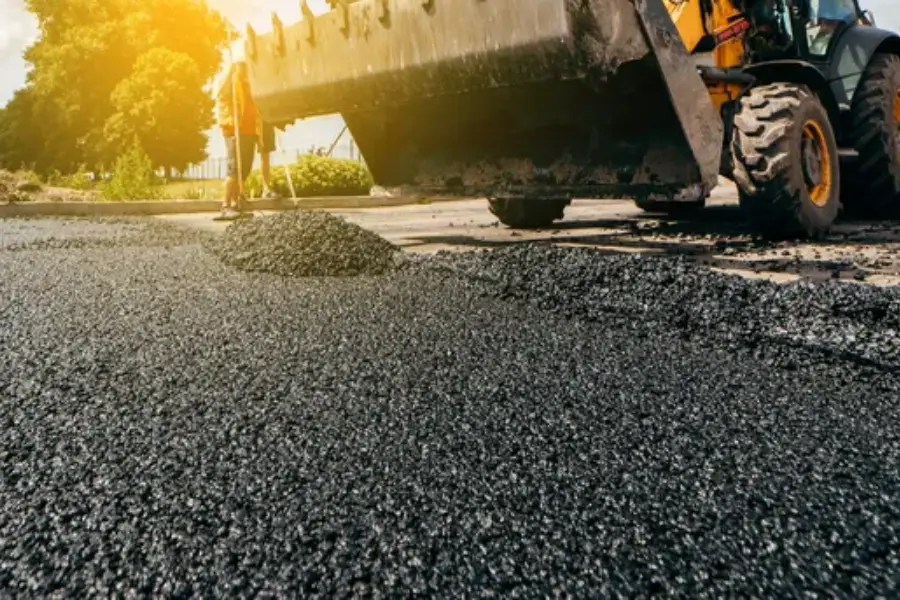
What You Need Before Starting
Before any asphalt paving begins, you need a clear plan. This means knowing how the area will be used and how much weight it must handle. A home driveway has different needs than a busy parking lot.
You should also review:
- The current ground condition
- Soil strength and stability
- Slope and drainage pattern
- Local permits if required
- Access for paving equipment
If the soil is soft or holds water, it may need extra base material. A stable base is the backbone of any asphalt paving project.
Step-by-Step Overview of the Installation Process
Understanding the basic steps helps you ask better questions and spot problems early.
- Site clearing: Remove grass, roots, old pavement, and debris.
- Grading: Shape the area to create proper slope for drainage.
- Base installation: Add and compact crushed stone or aggregate.
- Compaction: Densely pack the base to prevent shifting.
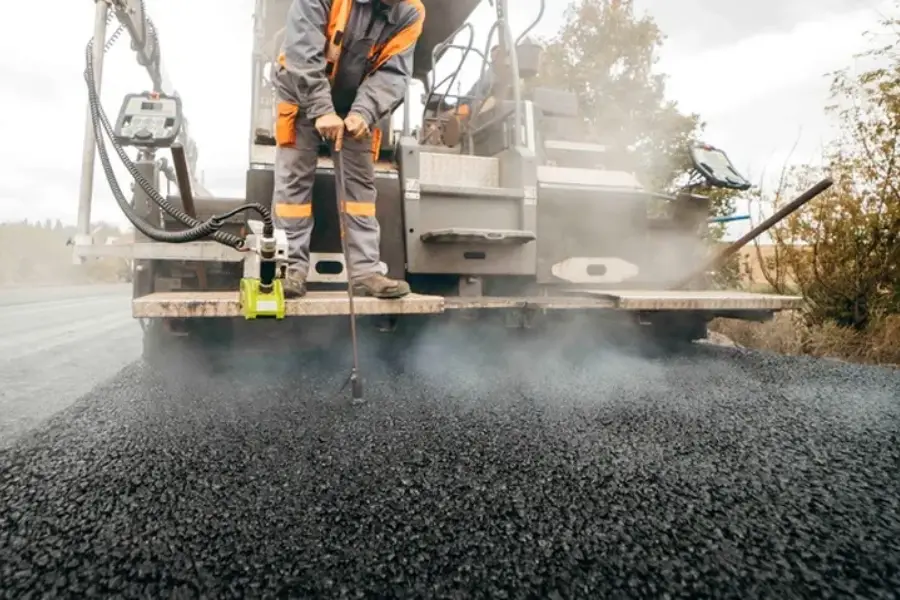
- Asphalt application: Spread and level hot mix asphalt.
- Final rolling: Compact the surface for smoothness and strength.
Each layer plays a role. Skipping compaction or using thin base material often leads to early cracking.
Common Mistakes to Avoid
Many pavement problems trace back to early decisions. Avoid these frequent errors:
- Installing over unstable or wet soil
- Ignoring water runoff patterns
- Choosing the wrong thickness for traffic needs
- Failing to compact the base enough
- Opening the surface to traffic too soon
Water is one of the biggest threats to asphalt paving. Without proper drainage, water seeps under the surface and weakens the foundation. Over time, this leads to potholes and edge cracks.
How Climate and Usage Affect Results
Weather plays a major role in pavement performance. In colder regions, freeze-thaw cycles cause expansion and contraction. This can create small cracks that grow each season. In hot climates, heavy sun can soften asphalt and lead to surface wear.
Traffic type matters too. A driveway that supports heavy trucks needs thicker layers than one used only for passenger cars. Planning for real use helps prevent early failure.
Drainage and Grading Basics
Proper grading allows water to flow away from the surface. Even a slight slope makes a big difference. Flat areas that hold standing water usually develop damage faster.
Good drainage planning includes:
- Directing water away from buildings
- Avoiding low spots where puddles form
- Installing drains if natural runoff is limited
- Protecting edges from soil erosion
If water flows under the pavement, it weakens the base. That is why drainage design is a key factor before starting asphalt paving.
When to Call a Professional Team
Small patch jobs may seem simple, but full installation requires proper equipment and skill. Heavy rollers, grading tools, and temperature control all affect the final surface. Professional crews also know how to adjust for soil type and climate conditions.
If you notice uneven ground, poor drainage, or unstable soil, it is wise to get an expert opinion before placing new asphalt. A team experienced in asphalt paving can inspect the site and suggest the right thickness and base materials for long-term performance.
Final Recommendation and Next Steps
If you are planning a project in Shepherdsville, KY, getting the details right from the start makes a big difference in how long your surface will last. Our team at A-1 Paving INC handles every stage of asphalt paving with careful site prep and proper grading so problems do not show up later. You can call us at (502) 205-2854 to schedule an on-site visit and talk about the best approach for your property, and we will guide you through the process from start to finish.